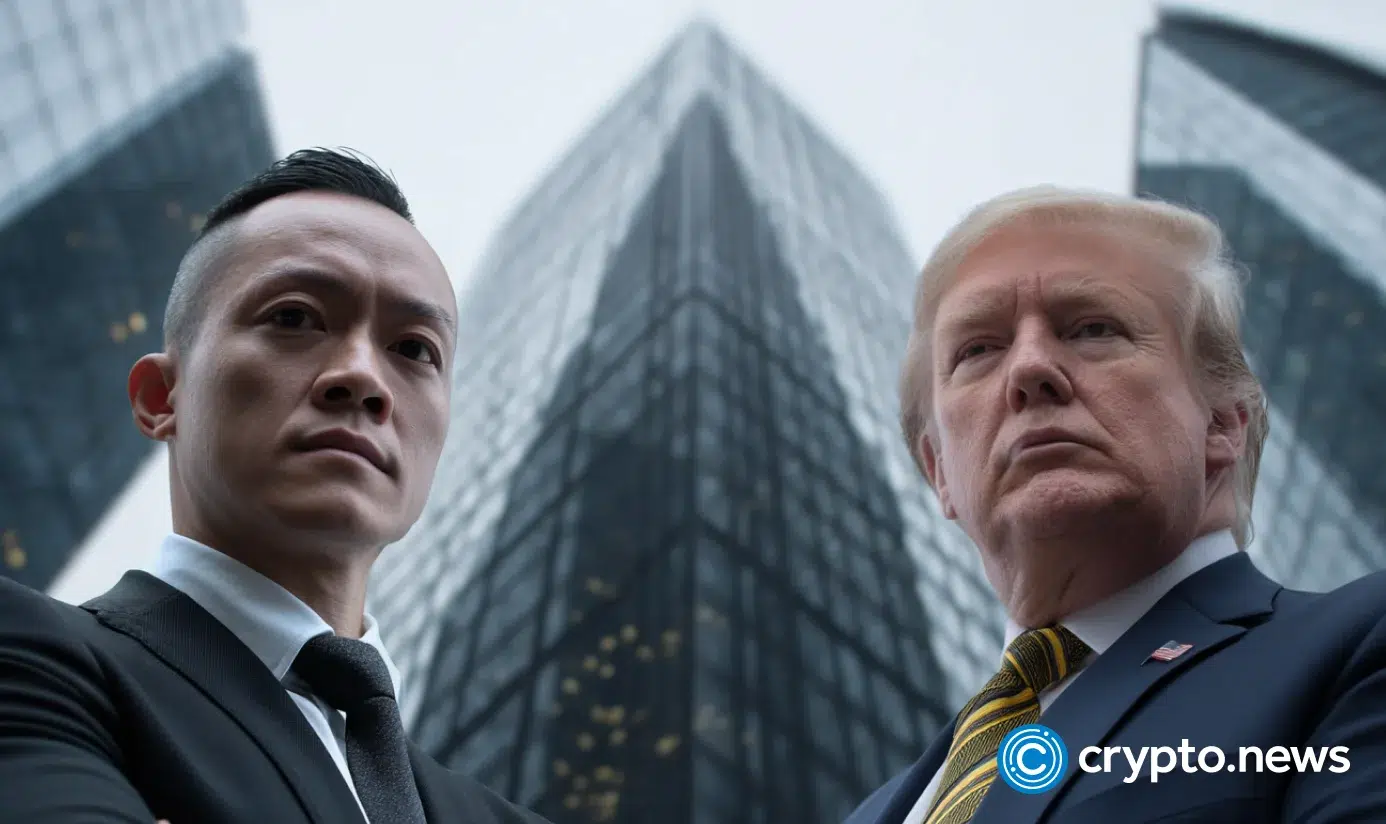
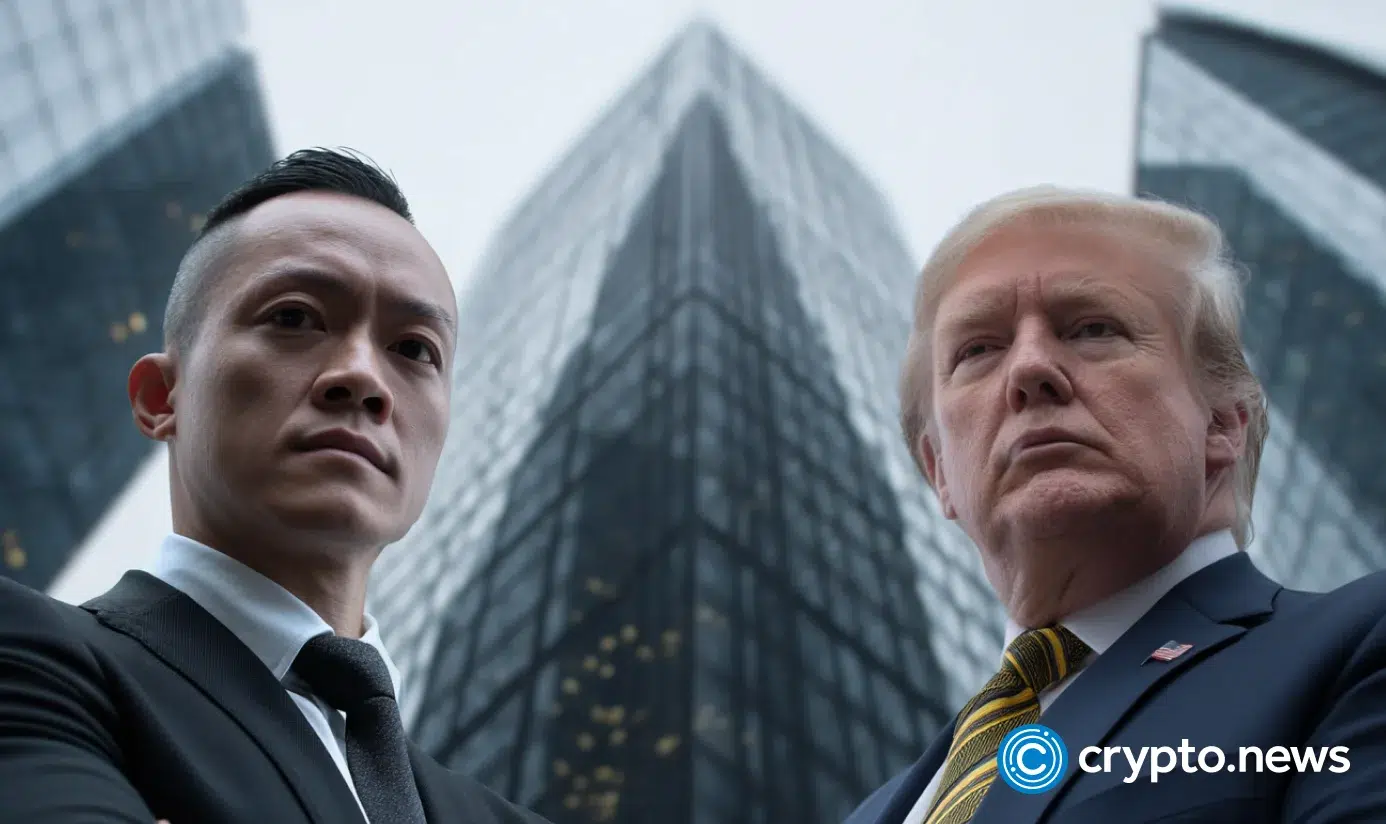
Tron founder Justin Sun said he has filed a lawsuit against World Liberty Financial in a California federal court after the project froze his WLFI tokens and blocked him from taking part in governance votes.
Summary
- Justin Sun filed a federal lawsuit after WLFI allegedly froze tokens and blocked his governance voting rights.
- The dispute grew after Sun accused World Liberty Financial of adding blacklist functions to WLFI contracts.
- Sun said the lawsuit targets unfair token treatment and does not affect support for Trump.
Sun said the lawsuit followed failed efforts to resolve the dispute directly with the team. He claimed the project froze all of his tokens, removed his voting rights, and threatened to burn the holdings without proper cause.
Meanwhile, Sun announced the lawsuit in a post on X on Tuesday. He said the case aims to protect his rights as a WLFI token holder after the project allegedly refused to unfreeze his tokens.
In his statement, Sun said, ”They wrongfully froze all of my tokens, stripped me of my right to vote on governance proposals, and have threatened to permanently destroy my tokens by ‘burning’ them — all without any proper justification.” He added that the team had refused his requests to restore access, leaving court action as his next step.
The dispute adds to a wider conflict between Sun and the Trump-linked project. Sun had once been known as the largest external backer of World Liberty, but he has become one of its most public critics in recent weeks.
The current lawsuit follows public accusations Sun made earlier this month. On April 12, he alleged that World Liberty had placed an undisclosed blacklisting function in the WLFI smart contract.
Sun said that function allowed the project to ”freeze, restrict, and effectively confiscate” investor tokens. World Liberty responded on X within hours and rejected the claims.
The project called Sun’s statements ”baseless allegations” and accused him of using them to cover up misconduct. It also suggested that legal action could follow, writing, ”See you in court pal.”
That exchange marked a sharp turn in the relationship between the two sides. Since then, the disagreement has shifted from public posts to a formal court filing.
Governance proposal deepened the dispute
The dispute also centers on a recent World Liberty governance proposal involving more than 62.2 billion WLFI tokens. The plan sought to move tokens from indefinite lockups to fixed vesting schedules.
Under the proposal, holders who did not accept the vesting terms would keep their tokens locked indefinitely, though they could still use them in governance under future terms. Sun criticized that structure and said it treated early investors unfairly.
Last week, Sun described the proposal as “not governance.” He also said it had been presented as a governance measure while forcing some holders into a two-year cliff followed by a two-year vesting period.
On Tuesday, Sun repeated that position and said he only wanted equal treatment. He wrote, ”All I want is to be treated the same as every other early investor who received tokens — no better, no worse.”
Sun says lawsuit does not change Trump support
Sun said the legal action does not affect his support for US President Donald Trump or the administration’s crypto agenda. He said his complaint targets individuals on the World Liberty team rather than Trump himself.
He wrote that ”certain individuals on the World Liberty project team have been operating the project in a manner that goes against President Trump’s values.” That statement drew a line between his political position and his dispute with the project.