What About the Dyson PencilVac?
I’m separating the Dyson PencilVac Fluffycones (yes, that’s the full name) because, while it’s still a stick vacuum, its design is so different that it stands apart from any other stick vacuum I’ve tried.
The primary difference is that the motor, dustbin, and battery are all contained in the slim handle. No more bulky, top-heavy build that these cordless vacuums are known for. The body and feel remind me of using a Swiffer, but it’s a vacuum instead of just a slapdash mop. The PencilVac uses Dyson’s Hyperdymium motor—the same one that’s usually in the brand’s hair tools—and has a tiny 0.08-liter dustbin, but compacts the debris to make that small amount of space last. It also has a short battery life of only 30 minutes.
It has much lower power than the other vacuums in Dyson’s lineup and can only be used on hard floors. It has four fluffy rollers, aptly named Fluffycones, on the cleaner head, and they’re designed to keep hair from getting tangled. It works, but instead of getting tangled, the vacuum sometimes balled up my hair and spat it back out instead of sending it into the dustbin. It was great for quick cleans for things like litter, dust, and cereal, but it’s a high price to pay for something that’s more limited than cheaper vacuums.
Still, I think there’s a use case here, especially from an accessibility perspective. This is a good option for households where someone might not be strong enough or have the mobility to easily push and hold up a top-heavy stick vacuum, and the charging base makes it easy to quickly store and grab without putting it down or bending over. The compact size is also an argument for small homes, and it did fit into smaller crevices better than standard-sized stick vacuums (think the space between the toilet and wall). The Dyson V15 is a better all-around buy, but I think there are people to whom this specific vacuum could really appeal. Dyson also launched the PencilWash last month, a similar design but a wet vac, which I’m testing next.
Honorable Mentions
We haven’t tried a vacuum yet that we absolutely hate. The ones below are solid vacuums and, in some cases, much cheaper than our top picks, but we didn’t like them quite as much.
Bissell IconPet Turbo Edge for $200: Bissell’s OG stick vacuum is a popular model that’s been around for a while. It does a good job picking up hair and cat litter, and easily turns into a handheld vac too. The battery lasts a little longer, but former WIRED reviewer Medea Giordano wasn’t impressed by its Cheerio-gathering skills, and it can’t stand up on its own.
Bissell’s PowerClean FurFinder for $200: This is a great stick vacuum, and it was our previous top pick. It does an all-around good job on all kinds of flooring, comes with a nice range of accessories, and has the FurFinder tool to help with pet hair. It’s still a great vacuum, especially if you have pets, but unless you’re using the FurFinder tool frequently, you can get the slightly cheaper regular Bissell PowerClean for a similar experience.
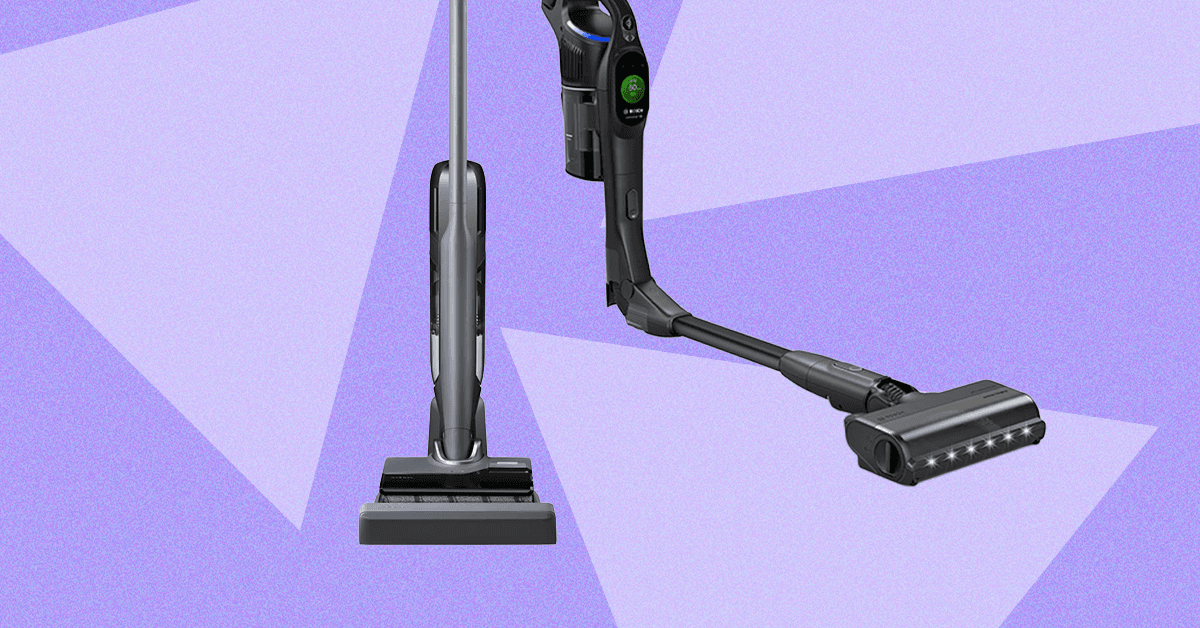
Bosch Unlimited 10 Cordless Stick Vacuum for $699: This vacuum has six cleaning modes and can bend in the middle, but it didn’t always contain the debris after I was done cleaning. It does have a 10-year warranty on the motor, which is more than other brands offer.
Black & Decker Powerseries Extreme Max for $169: The Black & Decker Powerseries Extreme Max is a great stick vacuum at a lower price than most others. It stands up on its own, has three power levels you can easily control from the handle, and handles well on the different surfaces in my home. I liked this vacuum a lot, but it wasn’t as stable as the Bissell above, and the handle felt a little plasticky compared to it and other vacuums I tested. It did have a larger-capacity dustbin, though.
Dirt Devil Power Swerve Pet Cordless Stick Vacuum for $72: We previously recommended this as a budget pick. It’s a good vacuum for the money, but there were questions about how long the battery lasts and the build quality.
Dyson V12 Detect for $550: The V12 Detect is worth considering if you want something even slightly cheaper and lighter than the V15 (though it’s less powerful and has a smaller bin).
Eufy Robot Vacuum 3-In-1 E20 for $500: WIRED reviewer Adrienne So was stoked to try Eufy’s E20, which is a stick vacuum, handheld vacuum, and robot vacuum all in one. It’s a handy, well-designed device, but it’s only good for light cleaning.
Eureka Stylus Elite for $280: This is a good stick vacuum with a self-emptying bin at a reasonable price. It cleaned up a litter mat especially well, and there are specific settings for carpet and hardwood. However, to suck up larger pieces like Cheerios, I had to lift the vacuum up and place it directly on top of them.
Levoit LVAC-300 for $270: This is a well-rounded stick vacuum that has a good price point (and often on sale). It has an hour of battery life, comes with a couple of accessories, and has similar specs to our favorite Dyson vacuum. The 6.6-pound weight also made it fairly easy to clean the three sets of stairs in WIRED reviewer Luke Larson’s home, and it has HEPA filtration. While it can stand on its own, it easily tips over in the process.
Ryobi 18V One+ HP Advanced Stick Vacuum Kit for $399: This is our runner-up cordless vacuum pick for the best pet hair vacuums. It has powerful suction, cyclonic filtration, a brushless motor, an easily removable roller bar, and lights on the vacuum head to better see pet hair and dander.
Tineco Pure One Station 5 for $459: I love that this vacuum has a self-emptying base station. It’s a solid vacuum overall, but my favorite part about it was the docking station. You don’t need to choose Tineco to get that, though; Shark has a few models now with self-emptying stations, and Dyson has one due out this year.
Worx 20V Cordless Stick Vacuum for $250: This is a fine vacuum, but the dustbin was more difficult to clean out than those of other models I tested.
FAQs
What’s a Cordless Vacuum?
Cordless vacuums, also known as stick vacuums, are what the name suggests: They don’t need a cord to work. Instead, they have a battery you need to charge and are designed with a battery and motor at the top with a long, thin, sticklike body connecting that to the head of the vacuum. They’re much lighter than an upright vacuum and have become popular since they’re much easier to store and move around the house. I especially love using one as someone who lives in a three-story home. Stick vacuums also can usually have the stick portion removed to transform into a handheld vacuum, though they’re much heavier than a true handheld vacuum (but the battery life is much better).
How Long Do Cordless Vacuums Last?
Overall, vacuums tend to last around five years, but that depends on the frequency with which you vacuum and the vacuum’s build quality. Some cheaper stick vacuums might last only about a year or two, though, according to Eufy, so it’s worth investing in a good-quality stick vacuum. If you’re curious what signs might indicate your vacuum needs replacing, check out our guide to how long vacuums can last. If you’re curious whether you’re vacuuming enough, check out our guide to how often you should vacuum.
How Does WIRED Test Cordless Vacuums?
The best way to test a vacuum is to use it like you usually would. So, for a few months, we lived with these cordless vacuums, rotating through them to handle day-to-day messes and weekly deep cleans on hardwood floors, area rugs, and carpets. We charged them, asked our partners to use them, and even took some to a retail store to clean up after antique furniture and heavy foot traffic.
We also performed head-to-head testing, comparing how each picked up piles of Cheerios and cat litter, seeing if they blew debris around or needed several passes. We also took heaps of already matted dust and dirt from inside the vacuum bins to see how easily the vacuums could suck them back up in their thickened state.
Power up with unlimited access to WIRED. Get best-in-class reporting and exclusive subscriber content that’s too important to ignore. Subscribe Today.