We’re all too familiar with the notch—the unsightly cut-in that graced many smartphones for years, like the iPhone X or the LG G7.
The notch has largely been replaced on today’s smartphones by floating punch-hole cameras that take up less space and look a little more futuristic, though notches are still prevalent on some laptops, like Apple’s MacBooks.
On the iPhone, Apple calls its floating pill-shaped camera system the Dynamic Island, which debuted on the iPhone 14. The iPhone still has the largest camera cutout today, due to its Face ID biometric authentication system. (Barring Google Pixel phones, the vast majority of Android phones don’t offer a secure face authentication equivalent, so they don’t need a bulky camera cutout.) This island could get much smaller, however, thanks to new under-display camera technology announced at Display Week 2026 from Metalenz, a optics startup from Boston.
A Primer on Metasurfaces
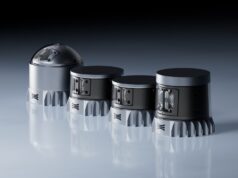
Metalenz’s optical metasurfaces technology is a flat-lens system that uses a fraction of the space of traditional multi-lens elements in most smartphones. You can read more about it in our original coverage of the company here, but in short, instead of refracting light through multiple plastic or glass lens elements—which improves image clarity, corrects aberrations, and brings more light to the camera sensor—metasurfaces use a single lens with nanostructures to bend light rays toward the sensors.
Metalenz says more than 300 million of its metasurfaces are already used in consumer devices today, replacing bulky traditional optics in time-of-flight sensors that capture depth information and assist with a camera’s autofocus.
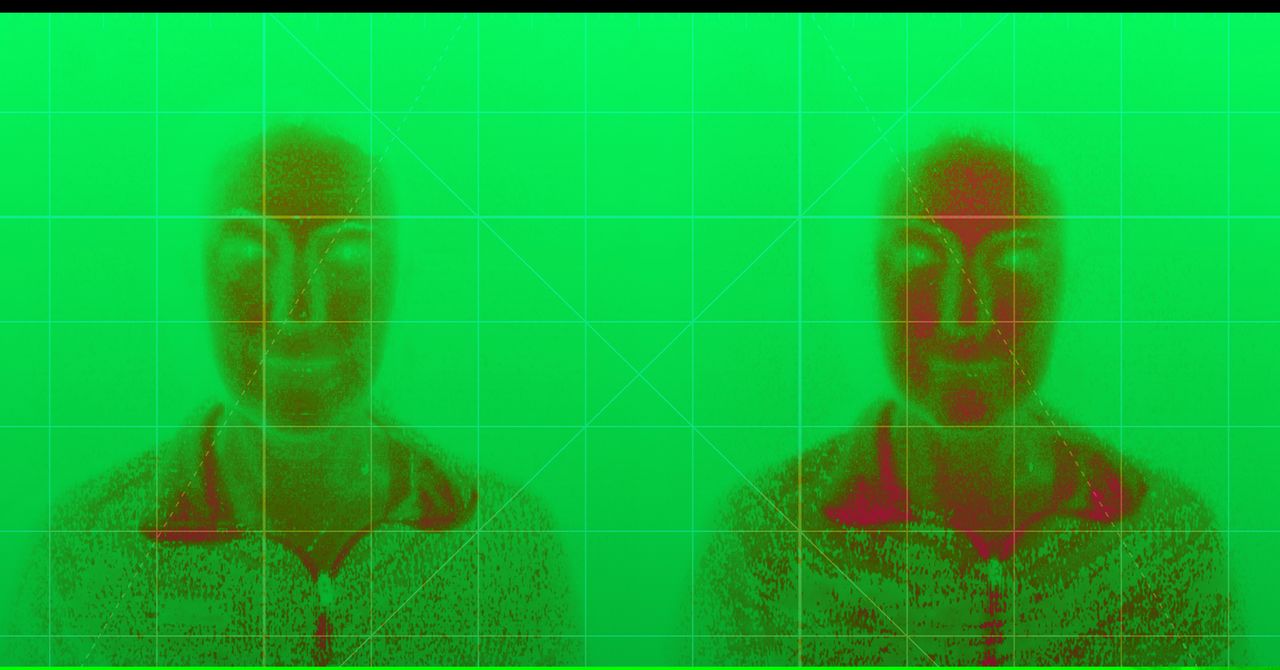
The company also pioneered a method to use these metasurfaces to capture polarization data. When light hits an object with specific material properties, it creates a unique polarization signature. Light reflecting off black ice has a different polarization signature from light reflecting off the road. Using machine learning algorithms, this enables a system that can quickly identify black ice on the road and alert the driver.

Photograph: Courtesy of Metalenz
That’s why the company developed Polar ID, a facial authentication platform to rival Apple’s Face ID. With polarization data, its sensors can distinguish a real face from someone wearing an eerily accurate 3D mask of the same person, because the polarization information from light bouncing off a human’s skin is unique compared to light bouncing off the silicone of the mask. Yes, it’s even more secure than Google’s face unlock system on Pixels, which can be spoofed with a high-quality 3D mask.